
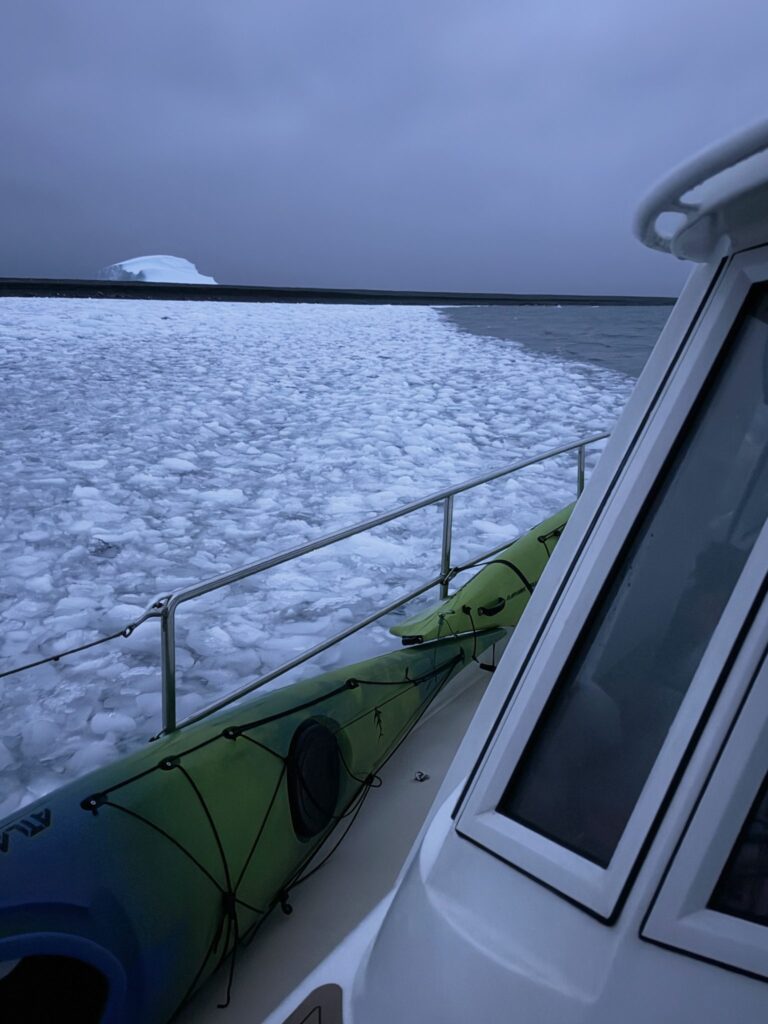
Last night we were woken up by ice. Ice fields had drifted in around Icebird, and they were loud. You could hear them scraping and knocking along the hull as they slid by. By the time I got up on deck they had filled the whole bay. It turns out a piece of one of the glaciers had broken off and the current carried it right to us. So there I was at 2:30 in the morning, taking pictures of a bay full of ice and drinking hot chocolate. Not a bad way to lose some sleep.
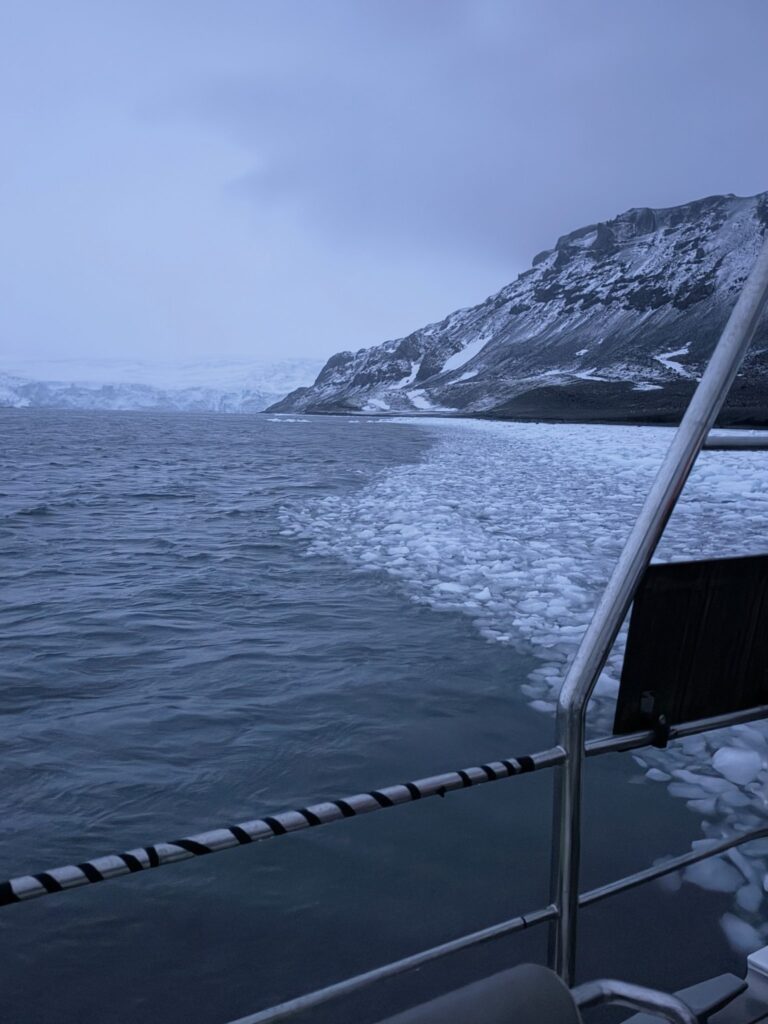
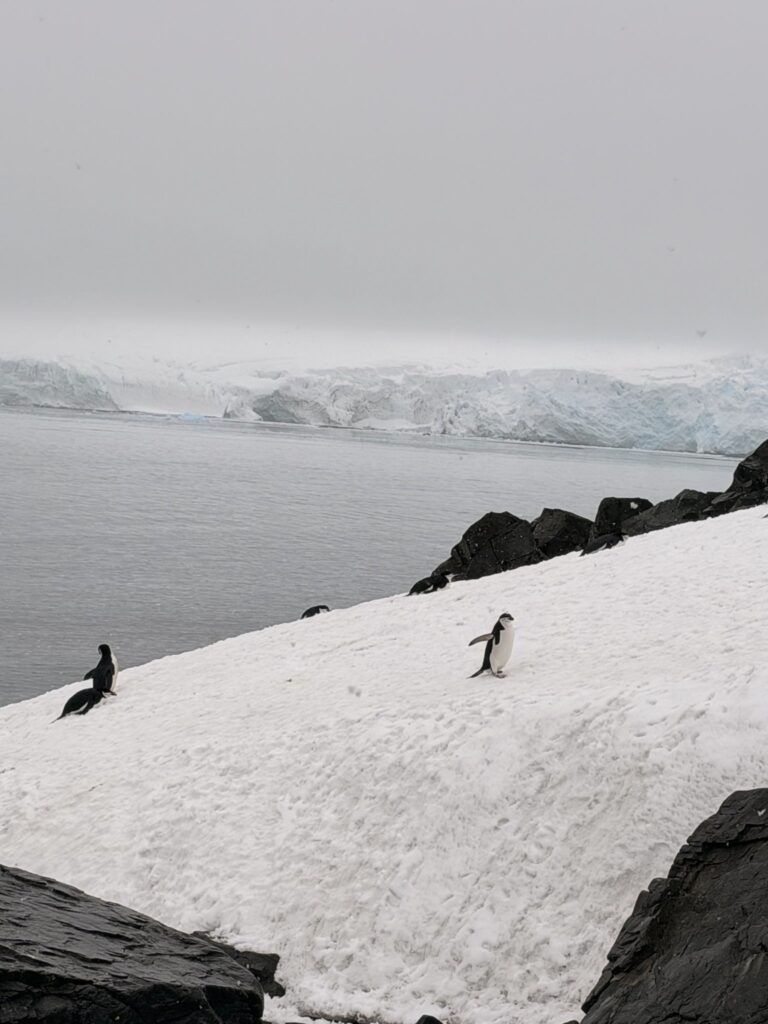
This morning we headed to Half Moon Island to see the chinstrap penguins.
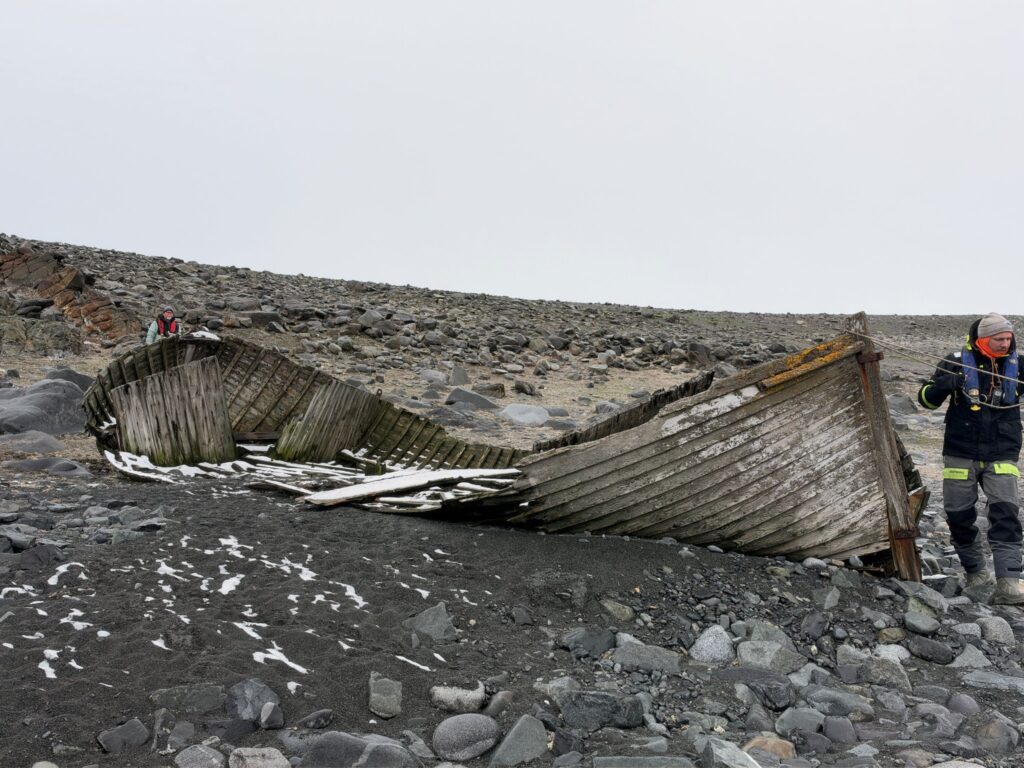
There’s an old wooden shipwreck right at the landing, gray and weathered and half falling apart on the stones. Nobody seems to know much about it. It’s just been sitting there for who knows how long while the penguins walk past.
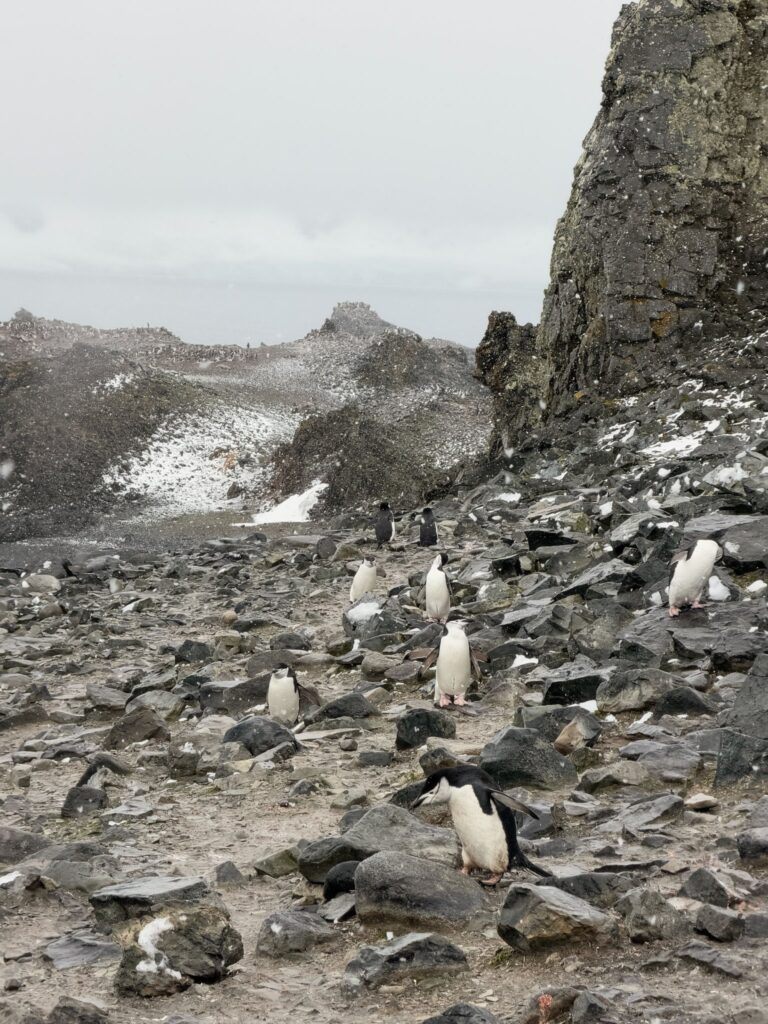
And the chinstraps are so cute. They marched along in small groups of three to six, hopping up and down and over the rocks. Every now and then one slips, but they don’t have far to fall, so they pick themselves up, shake it off (much like Tiago does) and carry on. Up from the beach there’s a research station, a red building with CÁMARA written in big white letters.
From there we set off for Deception Island, about 36 miles away. At 6 knots that’s about six hours.
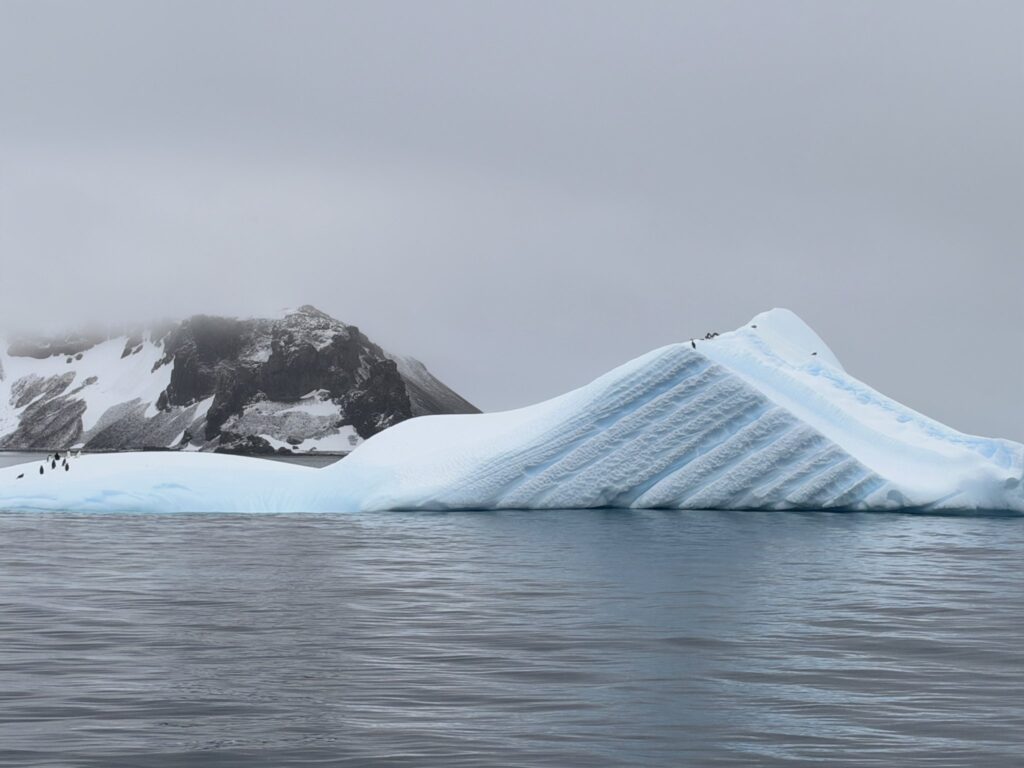
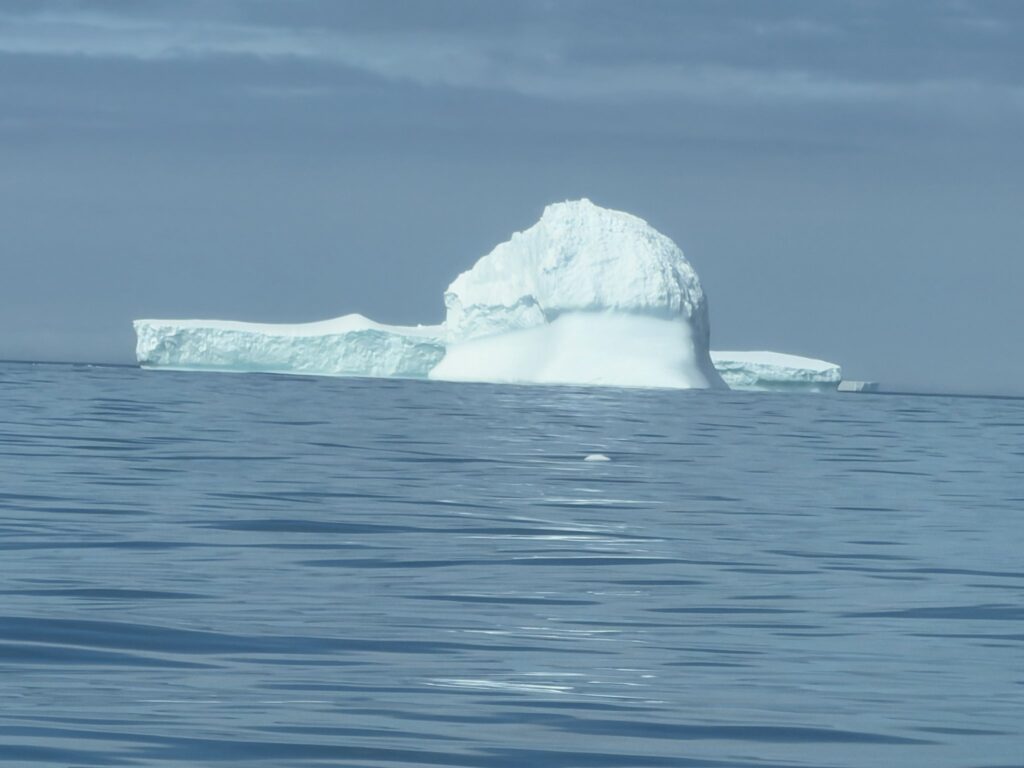
The sea was absolutely flat and the sun came out. The snow that was falling on Half Moon Island was behind us. We passed several icebergs, and groups of penguins went swimming by. I’m still not sure if it’s a school, a flock or a pod. They didn’t seem to care either way.
At 12:15 we passed a minke whale.
At 16:30 we headed into the caldera at Deception Island. We knew there would be other cruise ships in there. Deception Island is home to the largest chinstrap penguin colony in the world, at Baily Head.
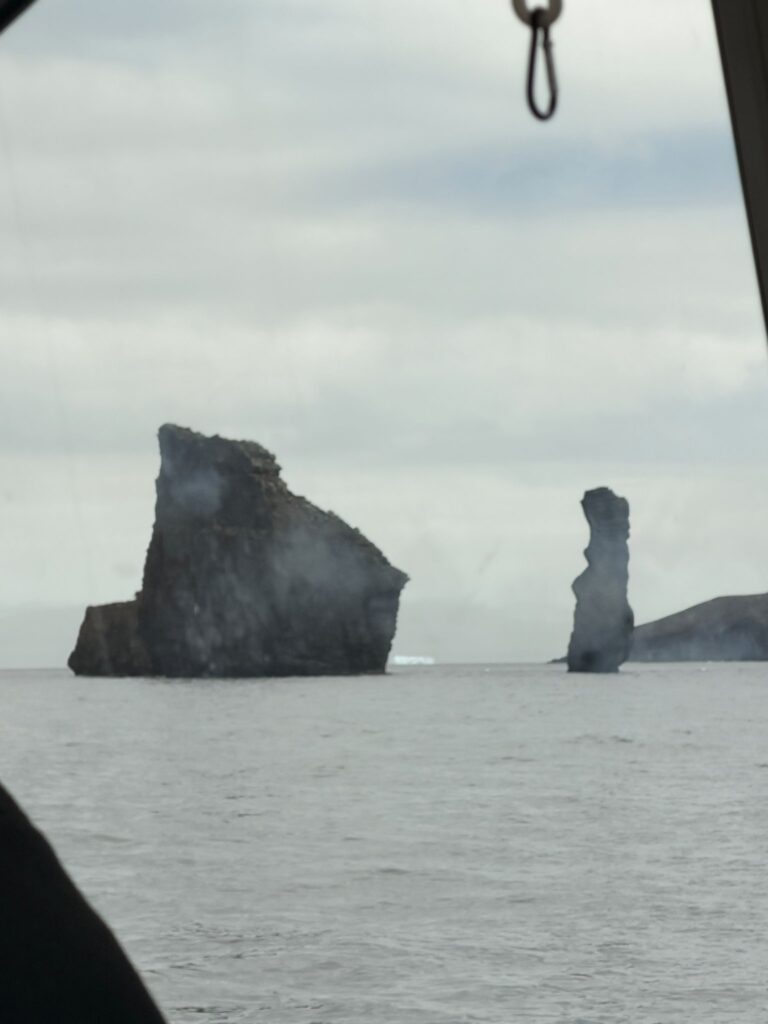
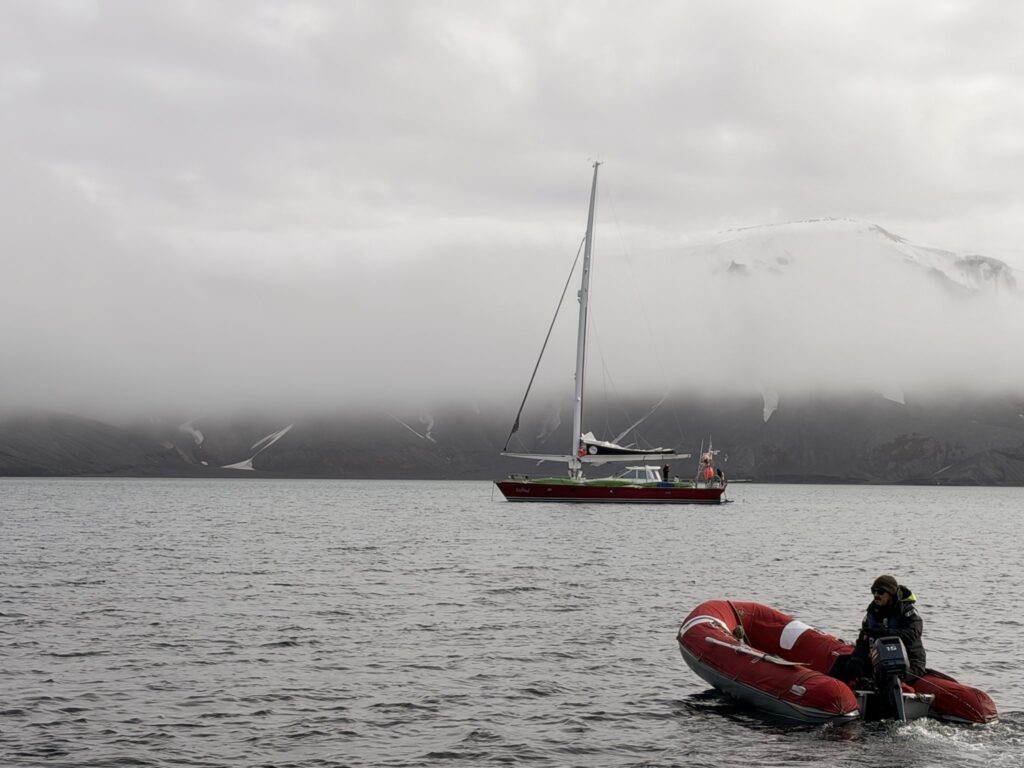
You get in through a narrow gap called Neptune’s Bellows, and then suddenly you’re inside the crater of an active volcano. Of course I had to ask how deep it was. Not as deep as you’d think: about 200 meters at the deepest. We anchored maybe 500 meters from shore, put out 100 meters of chain, suited up and took the dinghy in.
A little history
Sealers found Deception Island around 1820. The name comes from how well it hides its harbor; you could sail right past and never know it was there. The seals were hunted out within a few years, and then the whalers came. In 1912 a Norwegian company built the Hektor whaling station here at Whalers Bay, and for almost 20 years they processed whales for their oil. When oil prices fell in the 1930s the station shut down. Later the British set up a base, and Chile and Argentina built stations too. Then the volcano erupted in 1967 and 1969, and the stations were destroyed or abandoned.
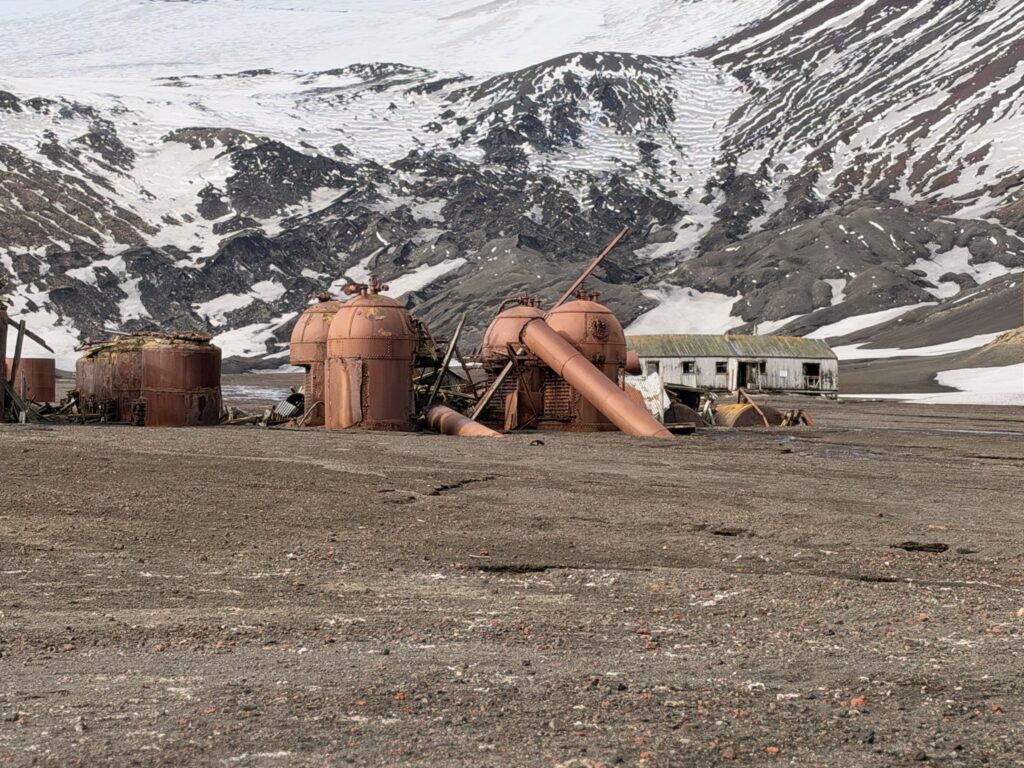
What struck me most is that it’s a whale graveyard. There are whale bones all along the shore, left over from the whaling days. They say they used to catch and process around 30 whales a day. Stand there among the bones and try to picture that. It’s hard to take in.
Now everything is abandoned: rusted tanks, empty buildings, an old boat half buried in volcanic ash. It truly feels like a post-apocalyptic world. We even found a fur seal skull lying on the black sand, and a few live fur seals keeping an eye on us. I also spotted a single gentoo penguin standing at the water’s edge.
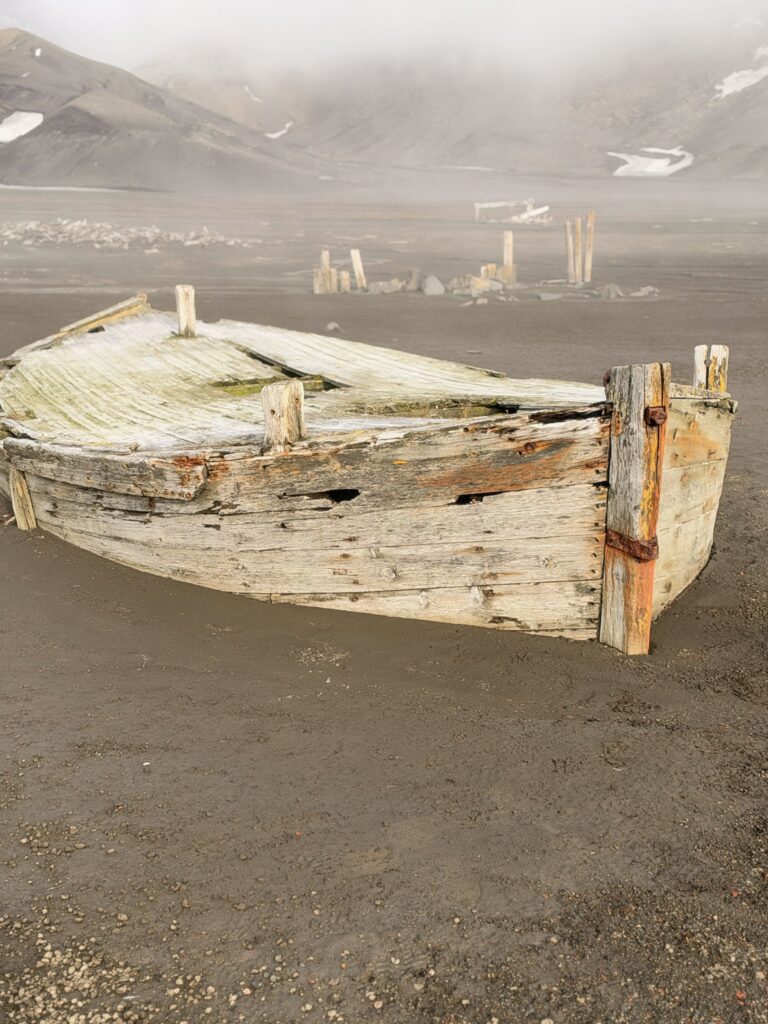
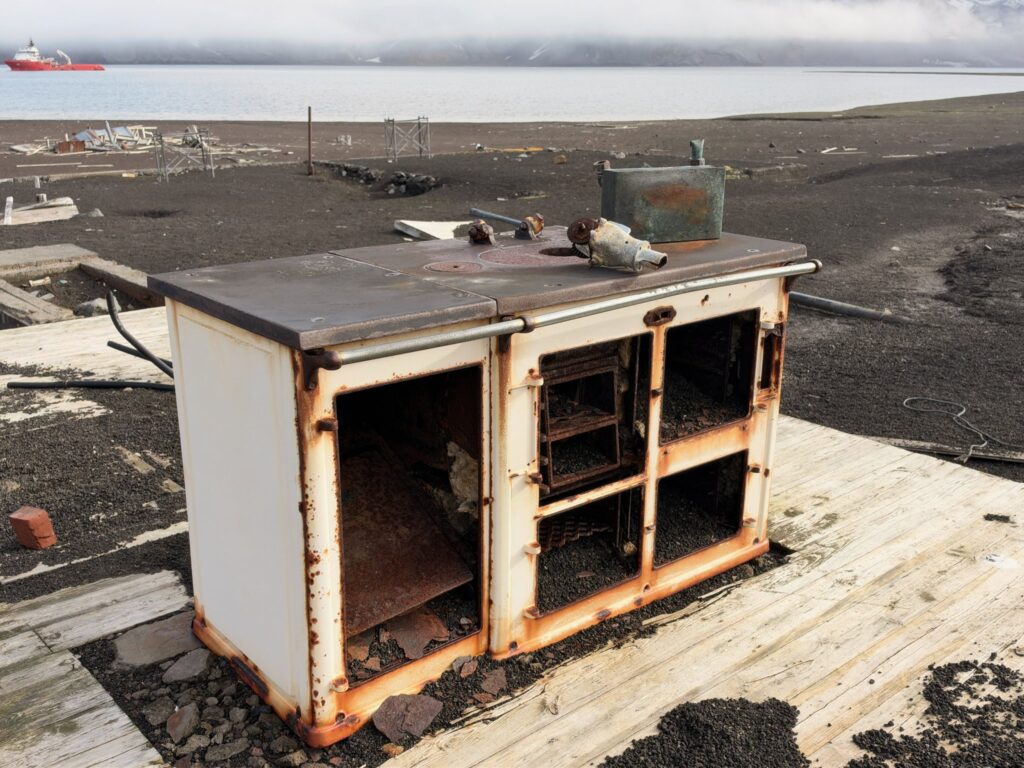
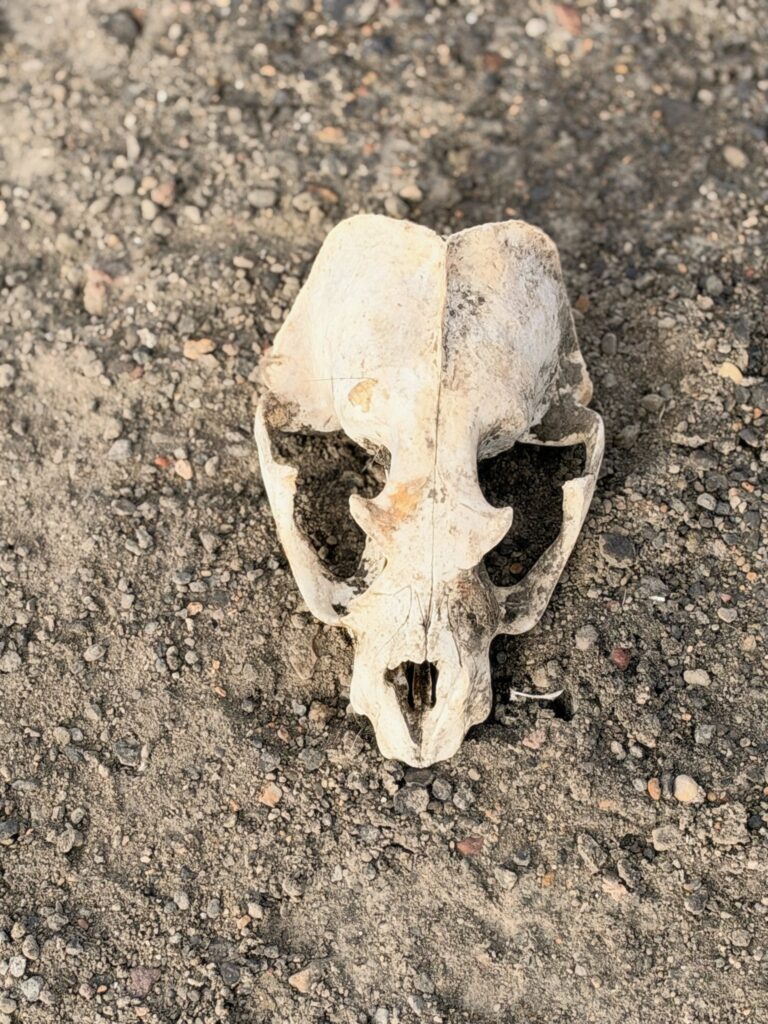
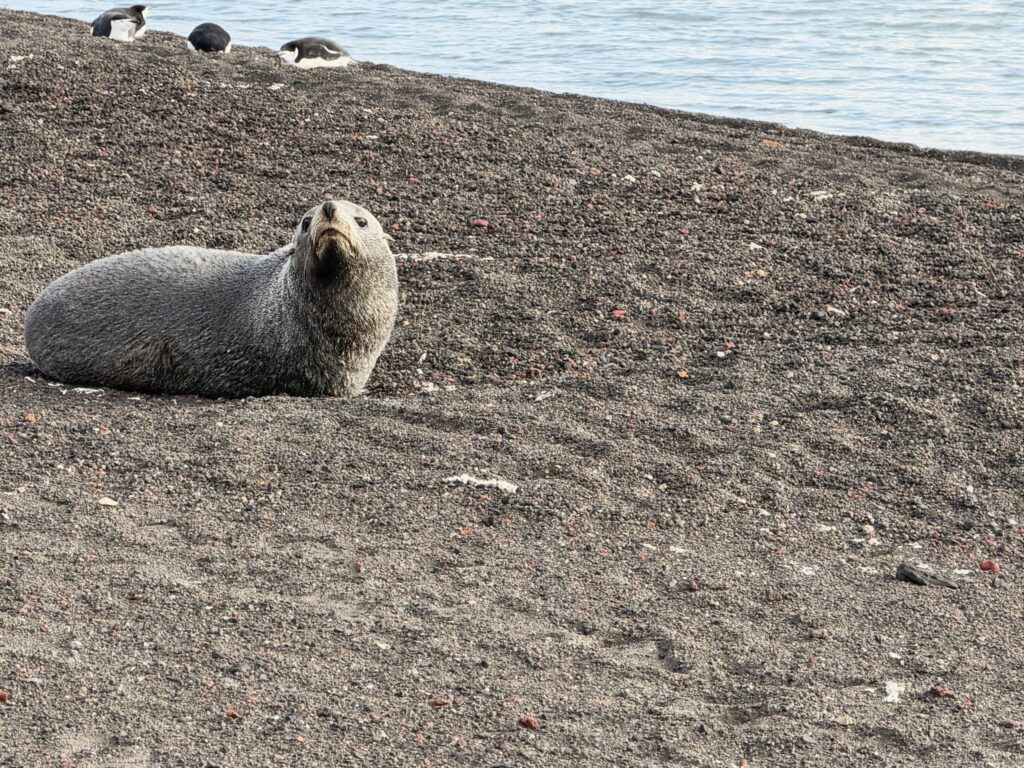
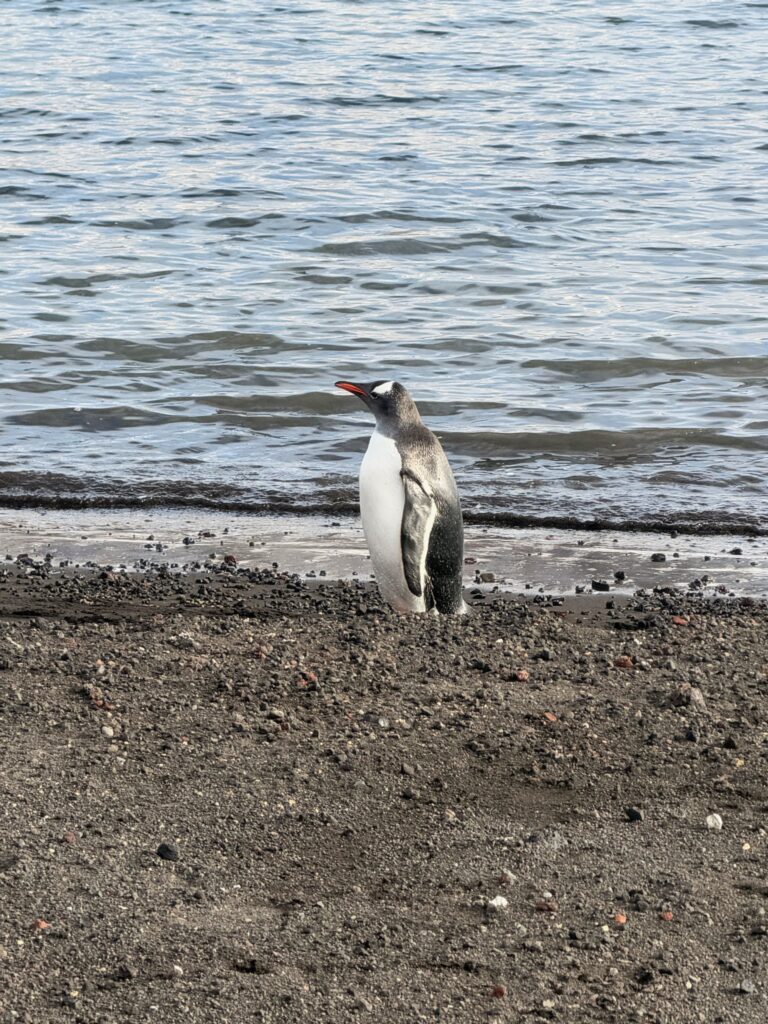
We hiked along the shore, then climbed up to the Eye of the Needle. From up there we could see down to the sea, but not out.
Then a thick fog rolled in. So we’re settling in for the night inside the volcano, and we’ll make the crossing to the Antarctic Peninsula tomorrow. There’s a lot of ice out there, and the crew thinks it’s better to wait. So we wait.
Following along? Subscribe to get new posts and the Antarctica dispatches by email.
Subscribe to our newsletter!